Beyond the Brochure: 5 Questions I'd Ask Before Buying a New-Build Home in London

When purchasing a new-build home, it's easy to become captivated by the architecture, interiors, amenities and lifestyle on offer.
However, having spent much of my career working across London's new homes market, I've found that some of the most important considerations extend well beyond the apartment itself.
Whether purchasing a primary residence, pied-à-terre or investment property, understanding what sits behind a development can be just as important as what's inside it.
Here are five questions I believe every new-build purchaser should be asking.
1. What am I actually paying for in my service charge?
Service charges are often among the first questions buyers raise, but the conversation tends to focus almost exclusively on the annual cost.
The more important question is what that cost delivers.
Depending on the development, charges can cover everything from building insurance and maintenance to concierge services, security and resident amenities.
Buyers should understand precisely what's included, how charges are calculated and whether adequate reserves exist for future expenditure.
The cheapest service charge doesn't necessarily represent the best value. A well-maintained building with appropriately funded services may prove considerably more desirable over the long term.
2. Who owns the building, and who will actually be looking after it?
A building's presentation on completion is one thing. Maintaining that standard five or ten years later is another.
While considerable attention is paid to the developer and architect, the long-term ownership and management structure can have an equally significant influence on the residential experience.
Vabel offers an interesting example.
The developer retains the freehold of its buildings and quite literally puts its name on them. Beyond a statement of identity, this reflects a philosophy of long-term involvement and accountability, with its reputation remaining directly associated with the buildings it delivers.
For purchasers, that's a meaningful distinction.
Buyers should also establish who manages the building day to day, how maintenance is handled and what involvement the developer retains.
A building's reputation isn't established on completion day. It's built over the years that follow.
3. What is the developer's track record?
A beautifully presented marketing suite can communicate a compelling vision, but a developer's previous projects often provide a clearer indication of what purchasers can expect.
What have they delivered before? How have those buildings aged? Have they demonstrated consistency in construction quality, design and attention to detail?
At Vabel Townhouse, purchasers can explore Vabel's wider portfolio of completed London developments to better understand its architectural approach and design philosophy.
Where possible, I'd encourage buyers to visit completed buildings rather than relying exclusively on marketing materials.
A development should be assessed not only on the vision being presented, but on the developer's proven ability to deliver it.

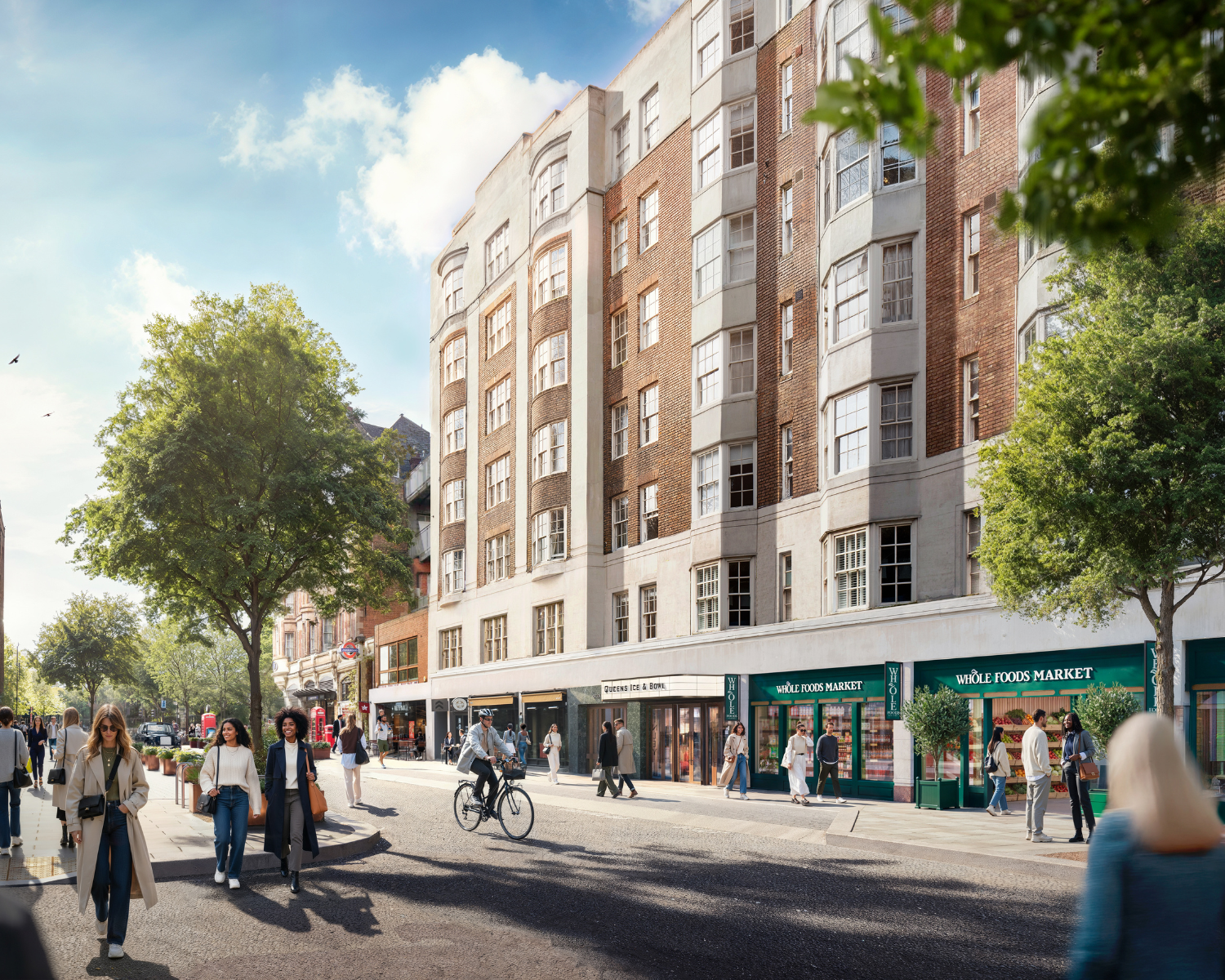
4. What's happening in the immediate area, and who's involved?
When purchasing a home, you're investing in considerably more than the property itself. You're also buying into the surrounding neighbourhood and its future.
This is particularly relevant in London, where significant investment can transform entire districts and therefore, values.
Queensway and Bayswater provide an interesting example, with substantial regeneration activity spanning residential development, hospitality, retail and public realm improvements.
For purchasers considering Vabel Townhouse, understanding the wider investment taking place provides important context beyond the building itself.
Who are the developers and investors involved? Which projects are underway? What's proposed, and what's actually being delivered?
While regeneration doesn't guarantee capital appreciation, understanding the direction of investment can help buyers make more informed long-term decisions.
5. What happens after I've collected my keys?
For many buyers, completion feels like the finish line. In reality, it's the beginning of the ownership experience.
Even within high-quality developments, purchasers should understand what support exists after moving in.
What warranties are provided? How are snagging issues addressed? Who takes responsibility for defects, and what does the aftercare process involve?
It's also important to distinguish between structural warranties and the developer's responsibilities for individual fixtures and finishes.
A developer's commitment shouldn't necessarily end when the keys are handed over.
Understanding the aftercare arrangements before exchanging contracts can provide valuable reassurance.
Looking Beyond the Apartment
The best residential developments are about considerably more than attractive architecture and carefully considered interiors.
They're about the people delivering them, the management maintaining them and the neighbourhoods surrounding them.
In my experience, informed buyers don't necessarily ask more questions. They ask better ones.
Ultimately, it's not simply about whether a property meets your expectations today, but whether it's positioned to meet them in the years ahead.

Related Reading

Area guide

Area guide

Tastemaker's Guide to Queensway
Our insider's look at the five openings rewriting what this stretch of Bayswater means, in the order they're worth knowing.